
Cracks in your walls or floors can be scary signs of deeper foundation problems. Many homeowners worry about what these issues mean for safety and value. Buying a home with foundation concerns can feel risky and confusing without clear information.
Ignoring foundation problems may lead to expensive repairs and lower property value. Unanswered questions about structural damage can cause stress and delay important decisions. You may not know who to trust for answers or how to protect your investment.
Understanding structural reports is the key to handling home foundation issues with confidence. These reports explain the problem, who should fix it, and what it means for you.
Knowing how to read them helps you make smart choices and avoid costly mistakes. This blog will guide you through the basics of structural reports and help you protect your home.
Key Takeaways
- Structural reports assess the condition, safety, and stability of a home’s foundation, noting cracks, movement, and soil concerns with supporting evidence.
- Qualified structural engineers or surveyors perform thorough inspections using specialized tools to detect visible and hidden foundation issues.
- The report details foundation types, describes defects, explains causes (such as soil or drainage problems), and prioritizes recommended repairs.
- Foundation issues documented in reports can significantly affect property value, buyer confidence, and real estate negotiations.
- Timely repairs based on report findings are crucial to prevent worsening damage, safety risks, and future financial or legal complications.
What Is a Structural Report?
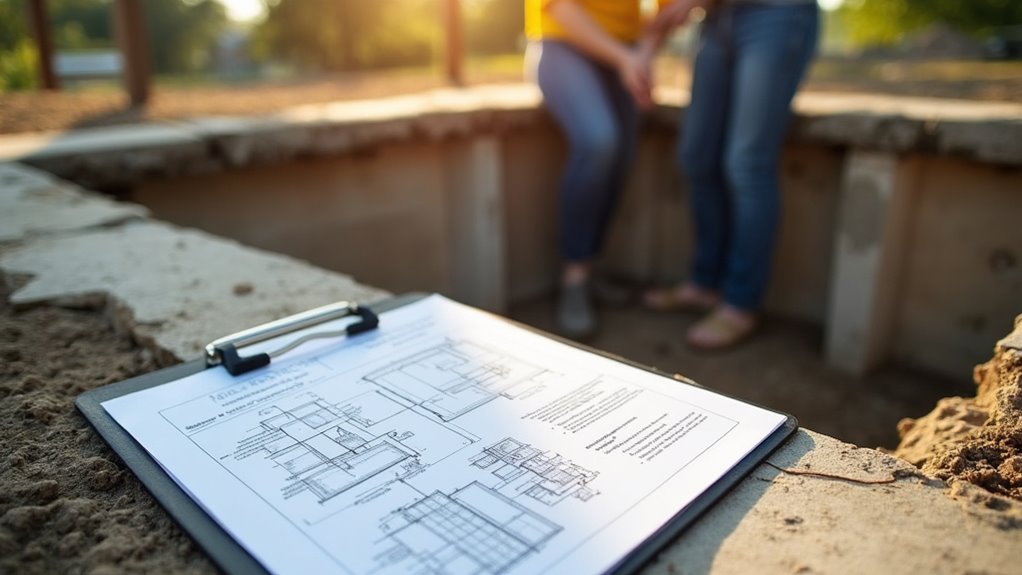
A structural report explains the condition of a building’s structure. It checks if the home is safe and stable. This report is useful if you notice cracks or want to buy a house. A structural report assesses your home’s safety and stability, making it essential if you spot cracks or plan to buy a house.
A structural engineer inspects foundations, walls, floors, and framing. The report lists any cracks, settlement, or sagging found during the inspection. If there are problems, the report will describe them in detail. Homeowners in Virginia are required to provide honest disclosure forms for conditions like foundation or pest damage when selling.
The engineer also checks the soil to see if it supports the building well. If the soil is weak or eroding, the report explains the risks. You may get advice on fixing drainage if water is causing damage.
Photographs and measurements are included as proof. The report finishes with a summary and repair suggestions. If repairs are needed, the report will clearly explain what to do next.
If you are preparing your home for sale after receiving a structural report, consider addressing curb appeal improvements and decluttering to create a more inviting impression for potential buyers.
Why Foundation Issues Matter in Homeownership
You need to understand that foundation issues can reduce your property’s value, making it harder to sell or refinance. These problems also pose real risks to your family’s safety and the home’s overall habitability. If you ignore early warning signs, you’ll likely face much higher repair costs in the future.
Issues such as structural weakness not only threaten safety but can also create long-term financial and legal challenges if left unaddressed. Additionally, potential buyers often seek well-maintained homes, as these properties tend to sell faster and attract more competitive offers.
Impact on Property Value
Foundation problems can lower your home’s value. Buyers see these issues as serious concerns and may offer less money. If the condition is severe, buyers might lose interest completely.
Poor drainage and changing weather can make foundation problems worse. These risks can decrease the value even more. If you fix these problems early, you can help protect your investment.
Homeowners must tell buyers about any foundation issues. This requirement removes some of your power during price talks. Appraisers also give lower values to homes with visible damage.
Buyers usually subtract repair costs from their offers. Homes with foundation issues can take longer to sell. If an appraiser finds problems, it may be harder for buyers to get a loan.
Safety and Habitability Risks
Foundation problems can make your home unsafe and uncomfortable. These issues can create dangers that affect your daily life. If left untreated, the risks to your home and health can grow quickly.
Shifting soil can cause your home to move. This may lead to uneven floors, stuck doors, or cracks in the walls. These signs can point to serious structural problems.
A weak foundation may not withstand earthquakes or floods. Moisture can get inside, causing mold and poor air quality. If these hazards develop, your home may become hard to live in.
Homeowners should fix small foundation problems before they get worse. Early action can protect your safety and your home’s comfort.
Long-term Repair Costs
Foundation issues need quick action from homeowners because waiting can raise long-term repair costs. If left alone, the damage usually gets worse and more expensive to fix.
Homeowners may face four main repair costs. Structural reinforcement becomes much more expensive if the foundation shifts further. Soil stabilization costs increase over time, especially if the soil problems get worse.
Poor drainage can make foundation problems bigger, leading to even higher repair bills. Interior and exterior repairs, such as fixing wall cracks or uneven floors, also add up if not addressed early. If you fix problems sooner, you will likely spend less overall.
Common Signs of Foundation Problems
You’ll often notice foundation problems through visible wall cracks and uneven floor surfaces. These signs indicate shifting or settling that may threaten your home’s structural stability. It’s important to assess the severity and pattern of these issues to determine the underlying cause.
Identifying foundation concerns early and considering professional photos can help you document problems clearly when preparing to sell. Homeowners can benefit from all-cash offers when foundation issues arise, since this removes the need for costly repairs before selling.
Visible Wall Cracks
Visible wall cracks are often a warning sign of possible foundation issues in a house. If you see cracks, you should check them closely to understand what they mean.
Different crack patterns can point to various problems. Horizontal cracks may mean soil is pushing against the wall. Vertical or diagonal cracks could show that the house is settling or shifting.
You should look at where the cracks are. Cracks near windows, doors, or corners often show where stress is highest. If the crack is vertical, horizontal, or diagonal, it can help you guess the cause.
Measuring the crack’s width is important, as wider cracks usually mean more serious movement. You should also note if the crack is short or stretches across the wall. If cracks grow or change, you may need to call a professional.
Uneven Floor Surfaces
Uneven floor surfaces mean the floors in a home are not flat or level. This often happens when the foundation moves or shifts. You may notice sloping, sagging, or a tilt when walking across rooms.
Soil settlement under the foundation can cause parts of the house to sink. If this occurs, some floorboards may squeak or feel loose. These signs usually show a deeper problem with the structure.
Structural reports can measure how uneven the floors are. Inspectors record where and how much the floors have shifted. This information helps decide if repairs or more checks are needed.
Who Prepares a Structural Report?
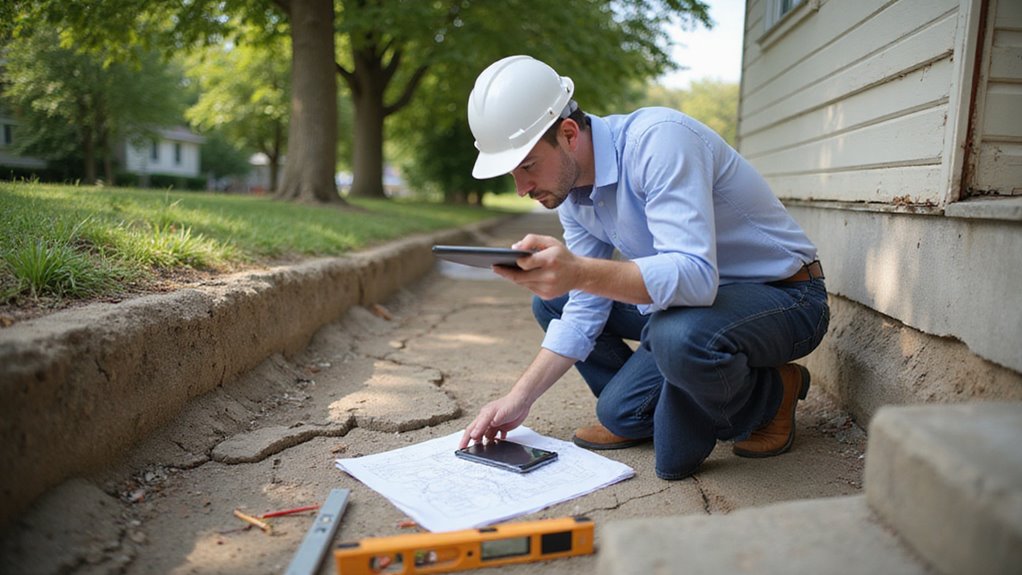
A structural report should be prepared by a qualified structural engineer or an accredited building surveyor. Only these professionals have the right training and certification for the job. Builder qualifications alone are not enough.
If you need a structural report, check the person’s professional credentials. The expert should have experience with foundations and local soil conditions. Accreditation from a recognized engineering or surveying body is necessary. In Virginia divorces, proper documentation ensures legal compliance and can prevent disputes over property condition between parties.
The professional must understand how soil affects foundations. Impartiality is important, so avoid anyone linked to repair companies. If you choose the right expert, the report will be reliable and useful.
If the property is being sold as-is—such as when inherited—working with a properly credentialed professional ensures your documentation will stand up to buyer or legal scrutiny.
What to Expect During a Structural Inspection
During a structural inspection, you can expect the inspector to follow a systematic process, starting with a thorough walkthrough of your property. They’ll assess key areas such as foundations, walls, floors, and roof structures using both visual checks and specialized tools like moisture meters or levels. This approach ensures that any existing or potential structural issues are accurately identified and documented.
A final review of sale terms is essential before closing to ensure that any findings from the inspection are properly addressed in your transaction. It is also important to remember that proper disclosure of violations and repairs observed during the inspection not only meets legal obligations but can help reduce the risk of future legal issues.
Inspection Process Overview
A structural inspection checks the condition of your home’s foundation. Inspectors look for problems and suggest possible repairs. They follow a clear and organized process.
Inspectors start by reviewing your home’s history and any old repairs. They check both the outside and inside for cracks or uneven floors. Any doors or windows that do not close properly are also noted.
The soil around your home is carefully examined. Unstable soil can cause the foundation to move. If water collects near your home, inspectors will check for drainage issues.
Inspectors may recommend repairs if they find problems. Their report helps you understand what needs fixing to keep your home safe. This process gives you clear and useful information.
Key Areas Evaluated
A structural inspection checks if your home is stable and safe. Inspectors look at important areas that could affect the building’s strength. The main goal is to spot any risks early.
The foundation is checked for cracks, sinking, or movement. Soil around the house is examined for erosion or soil that expands, which can harm the foundation. If problems are found, repairs may be needed to prevent further damage.
Inspectors look at drainage, gutters, and grading to keep water away from the house. Moisture near the foundation can cause serious issues over time. If water is found pooling, improvements should be made.
Inside the home, floors are checked for sloping and walls for cracks. Gaps around doors or windows can show movement in the structure. These signs may mean the home needs repairs.
Load-bearing walls, beams, and columns are also inspected for damage or weakness. If any of these parts are not strong, the home’s safety is at risk. Repairs or reinforcements may be suggested if issues are found.
Common Tools Used
Inspectors use specific tools to check your home’s structure. These tools help them find hidden problems and record what they see. If your house has foundation issues, inspectors rely on these tools for accurate information.
Laser levels check if floors or walls are uneven. Moisture meters show if there is water in walls, floors, or crawl spaces. Soil probes test the ground to see if the soil is weak or expands too much.
Digital cameras take pictures of cracks and repairs. Inspectors use these photos to make clear reports. If you need to fix foundation problems, these tools help guide the right solutions.
Key Components of a Structural Report
A structural report explains the important findings about a building’s condition. It lists the main issues that may affect safety or stability. If you need to understand a property’s structure, this report gives clear answers.
The report describes the type of foundation and its current state. It also checks the soil for any signs of movement. If there are drainage problems, the report will note them. In Virginia, foundation issues are common due to soil shifts and weather, so a structural report addresses these regional risks.
Cracks in walls or floors are documented with details. The report points out any doors or windows that do not align properly. If load-bearing parts are damaged, this is clearly shown.
Assessment methods and tools are listed for transparency. Photographs and diagrams help show the problems found. The report ends with a summary for easy reference and future repairs.
In Virginia, sellers must be transparent about known defects outlined in the structural report to comply with legal disclosure requirements.
Interpreting Structural Report Findings

When you read a structural report, you’ll need to understand common terminology, assess the severity of each finding, and evaluate the recommended repair actions. Precise language in these reports indicates whether issues are minor, moderate, or critical, helping you prioritize concerns. By interpreting these sections accurately, you can make informed decisions about necessary repairs and future maintenance.
If you’re planning to sell quickly due to relocation or timing concerns, consider how cash home sales may help streamline the process if the structural report reveals significant issues. Just as in determining a property’s value, you should also review recent market reports and trends for homes with similar foundation issues in your area to better understand how these findings may impact pricing and negotiations.
Common Report Terminology
Technical terms in a structural report help explain a building’s condition. Understanding these words makes it easier to follow the report’s findings. If you know the terms, you can better understand your home’s foundation issues.
Settlement means a building is sinking because the ground below is unstable. Heaving happens when the ground pushes upward, often due to wet soil or drainage problems. Deflection describes when a beam or floor bends out of shape.
Lateral movement is sideways shifting of walls or foundations from pressure in the soil. These terms show the type and seriousness of foundation problems. If you understand them, you can make better decisions about repairs.
Severity of Findings
Severity levels in structural reports show how serious each issue is. These levels help you know how much your home’s safety and value are at risk. If you understand the severity, you can decide how quickly you need to take action.
Reports use words like “minor,” “moderate,” or “severe” to describe problems. Pay special attention to these terms for the foundation, soil, and moisture issues. The severity tells you if a problem needs fast repairs or just monitoring.
Minor issues often mean small cracks or light moisture with little risk. Moderate findings may involve ongoing soil movement or water problems that should be fixed soon. Severe issues signal major damage that could harm safety and require urgent repairs.
| Severity Level | What It Means |
|---|---|
| Minor | Manageable, low worry |
| Moderate | Needs attention, concern |
| Severe | Urgent, unsafe |
Recommended Repair Actions
The recommended repair actions in your structural report are based on each problem’s severity. Each action targets a specific issue, such as soil problems or drainage. Addressing these repairs can help protect your home’s foundation.
If there are immediate safety risks, fix those structural problems first. Soil stability measures may be needed if the report notes shifting or settling. Reinforcing the soil can prevent future movement.
Drainage solutions should be used if water is not flowing away from your home. These help reduce damage caused by moisture. If water collects near your foundation, improve drainage right away.
Schedule regular inspections after repairs are done. Routine checks can catch new problems early. This approach keeps repairs effective for years to come.
Typical Foundation Issues Highlighted in Reports
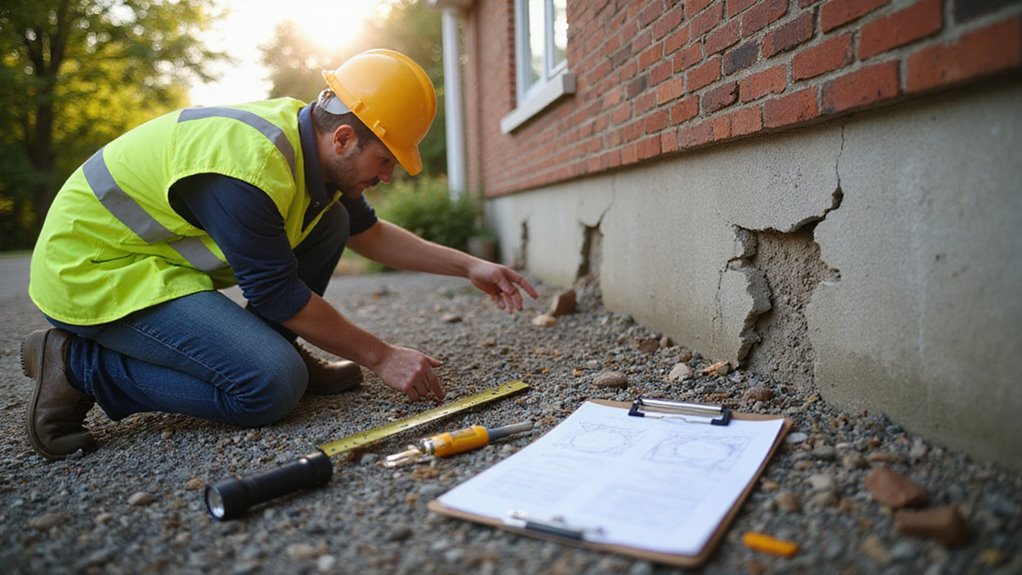
Structural reports often list the most common foundation problems. These issues can weaken your home’s structure over time. Inspectors point out these concerns to show the home’s current condition.
Soil settlement happens when the ground under your home moves or sinks. This can cause cracks in walls or sloping floors. Doors and windows may also become hard to open or close.
Reports also note drainage problems around the foundation. Poor water flow can make foundation damage worse. Water pooling or broken gutters are warning signs.
Inspectors may mention cracks in foundation walls or bulges in the basement. Moisture in crawl spaces is another concern. Each problem helps explain the foundation’s stability and future risks.
Certified professional inspectors are vital to identify the full extent of damage, including hidden problems that could impact the home’s structural safety.
Recommended Solutions for Foundation Problems
Foundation problems have reliable solutions. Structural reports list repairs based on how serious and widespread the problem is. The main goal is to keep your home stable and safe.
Soil stabilization is used if the ground under your house is weak. Chemical injections or compacting can make the soil stronger.
Drainage solutions help if water collects near your foundation. Gutters, French drains, or grading will move water away from your home.
Piering or underpinning is needed if your foundation settles. Steel or concrete piers can support and lift the foundation.
Crack repairs are recommended if there are gaps in the walls or floors. Epoxy or polyurethane injections can seal these cracks and stop further damage.
Cost Implications of Foundation Repairs
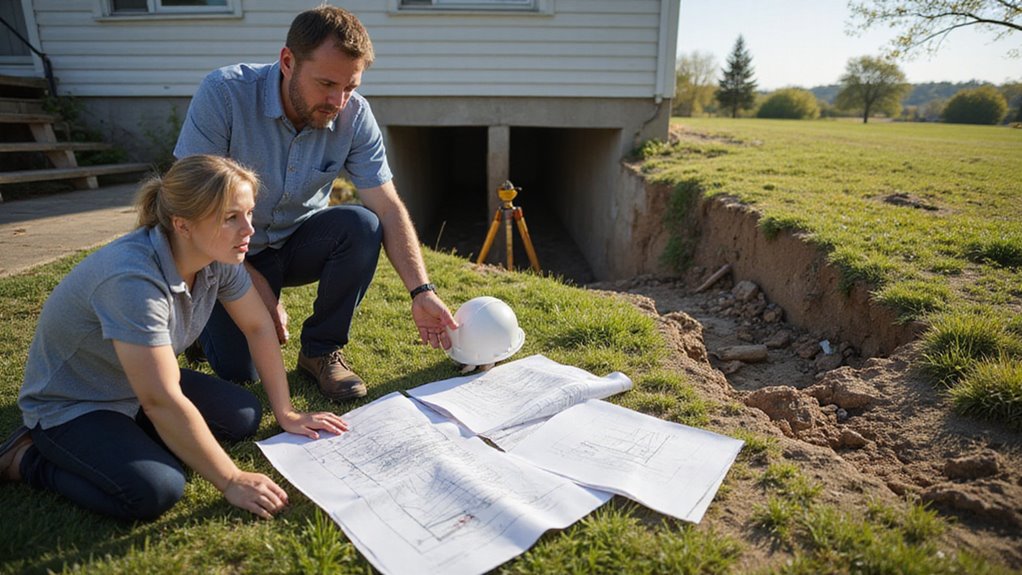
Foundation repair costs depend on the problem’s severity and the repair method needed. Simple repairs are less expensive than major fixes. Local prices and repair types determine the final cost.
If your foundation settles, costs may increase due to underpinning or pier installation. Minor cracks might need only epoxy injections or patching. Extensive structural repairs will cost much more.
Waterproofing is sometimes necessary if water causes the problem. Solutions like drainage or sump pumps can raise your total bill. Labor, access, and permits may affect your final expenses.
Always ask for detailed estimates before starting repairs. If you compare options, you can avoid unexpected costs. Careful planning helps you manage your foundation repair budget.
How Structural Reports Impact Home Value
A structural report can strongly affect your home’s value. It gives buyers and appraisers clear details about your home’s foundation. If the report is positive, your home may seem more valuable.
The report lists any hidden foundation problems and repair needs. It also points out how stable the soil is around your house. Good soil stability means fewer future issues.
Water drainage is checked in the report as well. Poor drainage can cause long-term damage to the foundation. If the drainage is good, buyers feel more confident.
An official structural report gives facts that both buyers and appraisers trust. If the report finds problems, buyers may offer less. If the report is clean, your home may sell faster and for more money.
Using a Structural Report in Real Estate Transactions
A structural report is important when buying or selling a home. It shows the condition of the foundation, soil, and waterproofing. Buyers and sellers use this report to make informed decisions.
The report points out any risks, like weak soil or foundation problems. If repairs are needed, it lists them clearly. Buyers can use this information to negotiate the price or ask for repairs.
| Key Aspect | Benefit in Transaction |
|---|---|
| Soil Stability | Shows if the foundation is at risk |
| Waterproofing Techniques | Lists ways to control moisture |
| Repair Recommendations | Helps guide price or repair requests |
When to Seek a Second Opinion
You should seek a second opinion if you are unsure about a structural report. Foundation problems are complicated, and one inspection may miss important details. A second expert can help confirm findings and suggest other solutions.
Conflicting advice from professionals is a strong reason to get another opinion. Reports that are unclear or use technical language may also need review. High repair costs without clear reasons are another warning sign.
If repairs do not fix the problem, ask another specialist to check. An independent review can help you make better decisions. This extra step protects your safety and your home.
Preventative Measures for Maintaining Foundation Integrity
You can prevent most foundation problems by taking simple steps. Regular soil stabilization helps keep the ground under your home steady. If the soil is loose, compact it or add soil amendments for better support.
Moisture control is also very important. Keep soil moisture even by using proper grading to move water away from the house. Install gutters and downspouts, and do not overwater plants near the foundation.
Homeowners should check for plumbing leaks or standing water around the foundation. If you fix these issues early, you reduce risks to your home’s structure. Simple, regular care can help your foundation last much longer.
Conclusion
If you carefully review a structural report, you gain a clear understanding of a home’s foundation issues. This information helps you plan repairs and prevent costly surprises. If you ignore these details, bigger problems could develop later.
If you need to sell a home with foundation concerns, we can help. Align Real Estate Solutions buys houses for cash, regardless of their condition. If you want a hassle-free sale, we offer a simple process.
If you want to move forward, reach out to us today. We are ready to make a fair cash offer. Let Align Real Estate Solutions help you with your property needs.